By Megan Bartlett, Founder of Center for Healing and Justice through Sport
We’ve been treating the youth mental health crisis like an epidemic of anxiety. But what if it’s really an epidemic of loneliness?
Surgeon General Vivek Murthy has called social disconnection as deadly as smoking fifteen cigarettes a day. Psychologist Jonathan Haidt says the rise of the smartphone rewired childhood, replacing shared experiences with solitary scrolling. Between them, they reveal the real diagnosis: a generation cut off from belonging.
The Place Where Belonging Actually Happens
Team sports offer something our fragmented world desperately needs: a common goal, repeated rituals, and opportunities for genuine connection. A 2020 meta-analysis of 50 studies found that youth sport participation is positively associated with a sense of belonging and prosocial behavior, particularly when environments are inclusive and supportive (Carreres-Ponsoda et al., 2020).
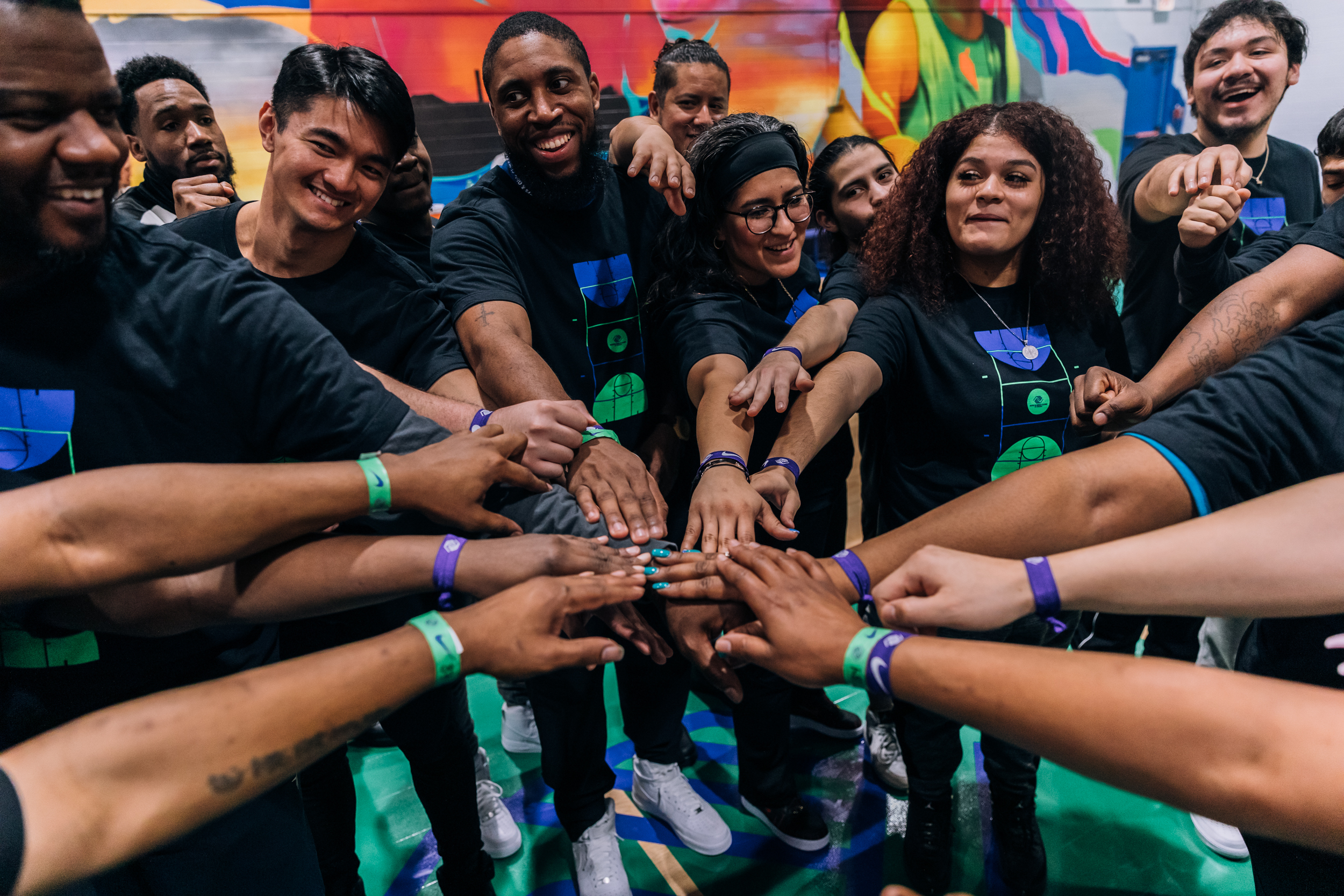
To us, this means when done right, sport doesn’t just build athletes. It builds community. It answers the fundamental question many young people are asking: Do I belong here?
A few weeks ago, we wrote about how sport serves as everyday mental health infrastructure: regulating nervous systems, building resilience, creating safety through rhythm and relationship. But there’s a reason it works. Sport heals because it does something most interventions can’t: it creates spaces where young people feel like they genuinely matter.
Let’s be clear, though. Sport isn’t automatically healing. When sport is overly competitive, exclusionary, or focused only on outcomes, it doesn’t just fail to create belonging. It actively destroys it. Especially for young people already carrying trauma or navigating marginalization.
This is why throwing kids into sports programs and hoping for the best isn’t enough. This is why “just play” isn’t a strategy.
This is why we created the Nothing Heals Like Sport Playbook.
Designing Sport for Belonging
The NHLS Playbook translates belonging research into everyday coaching practice. It gives coaches concrete strategies for creating teams where every young person can answer yes to the question: Do I belong here?
At the heart of it is this truth: belonging isn’t an extra outcome in sport. It’s the essential outcome.
The NHLS Playbook emphasizes five key strategies:
- Center Relationships: The best coaches don’t just teach skills, they build connection. A high-five, a check-in, or a shared laugh can be as important as a winning play.
- Start with Safety: Belonging can’t happen without safety. Coaches are encouraged to use consistent routines and rituals that help young people know what to expect and where they fit.
- Honor Identity: Healing-centered coaching affirms who youth are, culturally, emotionally, and individually. This means creating space for all identities to be seen and celebrated.
- Use Rhythm and Ritual: Neuroscience tells us that rhythm regulates the brain. From warm-up songs to dribbling drills, rhythmic activities help athletes feel safe, focused, and connected.
- Share Power: When young people have voice and agency, they’re not just participants in a program. They’re co-creators of team culture. That shift creates real, lasting belonging.
The Work Ahead
We’ve seen the difference this approach can make: quieter kids find their voice, disconnected youth lean into team rituals, and entire groups move from chaos to cohesion. Not through punishment or pressure, but through safety, structure, and relationship.
In a world that too often isolates and divides, youth sports can be a rare place of connection, if we choose to make it so.
Let’s stop asking whether sport can heal and start doing the work to make it healing.
Because nothing heals like belonging. And nothing builds belonging like sport, when we get it right.
Ready to Create Belonging-Centered Sport?
→ Download the Nothing Heals Like Sport Playbook: Practical strategies for coaches
→ Share the Healing-Centered Sport Checklist with families in your program
→ Bring this work to your organization: CHJS offers training, consultation, and resources designed for the realities of youth sport.
Let’s talk. Email us team@chjs.org